
Navy Sailors Will Get Access to Strength Coaches and Dietitians
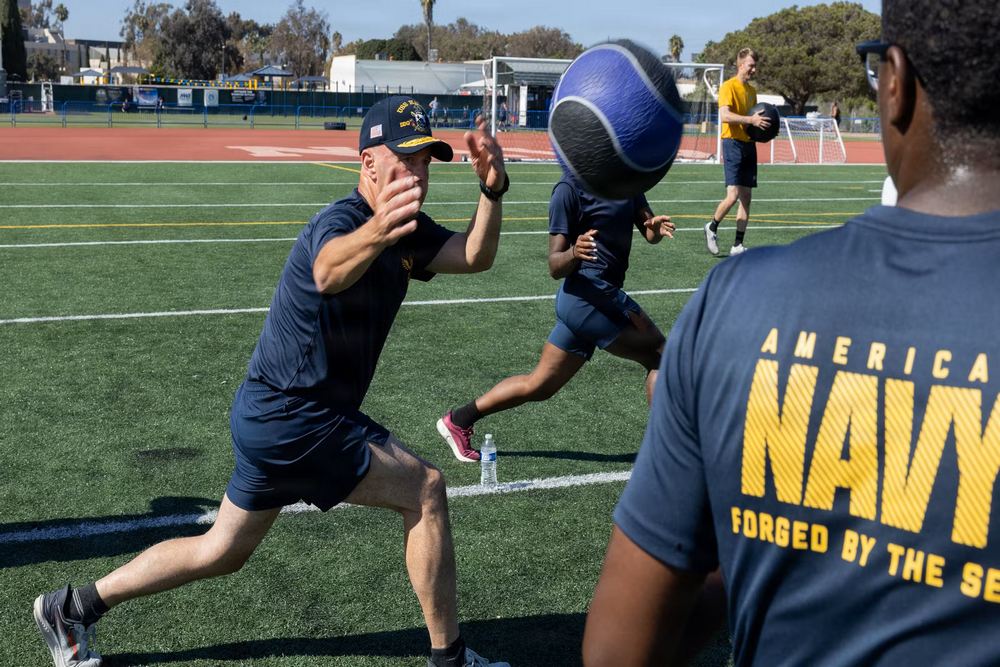
The U.S. Navy is expanding its approach to physical readiness by bringing specialized fitness, nutrition, and cognitive performance services to more installations worldwide. Through the Navy Morale, Welfare and Recreation (MWR) Human Performance Optimization (HPO) program, Sailors will have greater access to professional guidance to improve their physical conditioning, nutrition, recovery, and mental resilience. The initiative moves beyond the traditional model of providing gym facilities and exercise equipment, offering instead a more comprehensive system centered on individual performance and long-term well-being. Following an initial pilot at Naval Base San Diego, Commander, Navy Installations Command (CNIC) announced plans to expand the program to 10 priority installations worldwide, with implementation beginning in early 2027. The expansion reflects the Navy’s recognition that maintaining a capable force requires more than meeting physical fitness standards. Sailors face demanding schedules, extended operations, irregular sleep patterns, and physically challenging assignments. Access to qualified specialists can help them prepare for these demands while developing healthier routines that support both their professional responsibilities and personal lives.
Human Performance Optimization Goes Beyond Traditional Gym Access
The HPO program introduces a multidisciplinary approach that brings together physical training, nutrition, and cognitive performance. Instead of relying entirely on self-directed workouts, Sailors can receive structured coaching, professional assessments, and educational support from credentialed specialists. Human performance professionals help participants develop training strategies suited to their physical capabilities and operational requirements, while performance dietitians provide guidance on nutrition and fueling the body for demanding activities. Cognitive performance specialists address stress management, sleep strategies, and mental resilience. The program also incorporates assessments and recovery resources to help participants better understand their physical condition and identify opportunities for improvement. This approach recognizes that fitness depends on several connected factors. Strength and endurance matter, but so do adequate nutrition, recovery, sleep, and stress management. By bringing these services together, the Navy aims to give Sailors practical tools they can apply both during routine training and throughout the challenges of operational service. The program also differs from conventional fitness offerings because it is not simply about providing access to equipment. It emphasizes personalized instruction and evidence-based education that can help individuals make informed decisions about their health and performance.
Early Results at Naval Base San Diego Support Expansion
Naval Base San Diego became the starting point for the Navy’s HPO initiative when the pilot program began on February 2, 2026. Its early performance provided CNIC with information to guide the planned expansion. During the first 28 weeks, the program delivered 3,343 training events and recorded more than 26,000 Sailor interactions across shore facilities and waterfront locations, including 19 Navy vessels. Initial evaluations also identified improvements in participants’ understanding of important performance topics. Sailors demonstrated a 74 percent gain in knowledge of physical training protocols, a 46 percent gain in tactical fueling knowledge, and a 38 percent gain in cognitive stress management. Participant assessments also indicated increases in skeletal muscle mass and reductions in body fat. These findings helped demonstrate the potential value of providing more specialized health and fitness resources within the Navy’s installation network. The results are particularly relevant because Sailors have different physical demands depending on their occupations, assignments, and operating environments. A standardized fitness routine may not address every individual’s needs, especially when personnel must maintain readiness aboard ships or work in locations with limited exercise opportunities. The San Diego pilot offered an opportunity to evaluate how professional coaching and coordinated wellness services could support a broader range of Sailors. Its initial results are now informing the Navy’s next implementation stage.
Ten Installations Will Receive the Expanded Program
The Navy’s expansion plan identifies 10 priority installations that will serve as regional hubs for Human Performance Optimization services. Naval Base San Diego will remain part of the initiative, joined by Naval Station Norfolk in Virginia, Naval Station Mayport in Florida, Naval Base Kitsap in Washington, and Joint Base Pearl Harbor-Hickam in Hawaii. International locations include Commander, Fleet Activities Yokosuka in Japan, Naval Support Activity Naples in Italy, and Naval Station Rota in Spain. The remaining sites are Naval Air Station Patuxent River in Maryland and Naval Construction Battalion Center Gulfport in Mississippi. The rollout is expected to occur in three phases beginning in early 2027, with the initial hub network established over about 12 months. Following that stage, the Navy plans to extend services to surrounding installations before pursuing broader implementation across the Navy Shore Enterprise. This regional approach is intended to make specialized resources available to more personnel without limiting the program to a single fitness facility or location. It also recognizes the importance of reaching Sailors stationed overseas, where access to consistent wellness support can be especially valuable. As the initiative develops, the Navy will have opportunities to evaluate its effectiveness across different installation environments and identify ways to adapt services to the needs of individual commands and communities.
Investing in Sailor Wellness Strengthens Fleet Readiness
The expansion of Human Performance Optimization reflects a broader effort to connect quality of life with the Navy’s operational priorities. Sailors are expected to perform under demanding conditions, often requiring physical endurance, sound judgment, concentration, and the ability to adapt to changing circumstances. Supporting these capabilities means addressing the factors that influence performance before personnel face the most challenging parts of their assignments. Strength coaching can help Sailors develop appropriate exercise routines, while nutrition education can improve their understanding of how food supports energy, recovery, and physical conditioning. Guidance on sleep and stress management can also help them build habits that contribute to sustained performance. These resources are valuable not only for individuals preparing for demanding duties but also for commands seeking to maintain a healthy and capable workforce. The Navy’s plan to expand the program aligns with its broader Sailor First priorities, emphasizing that personnel readiness and quality of service are closely connected. As the initiative moves beyond its initial locations, its long-term success will depend on continued evaluation, qualified staffing, and the ability to deliver useful services across different operational settings. By investing in the people who support its missions, the Navy is taking another step toward building a force that is physically prepared, mentally resilient, and better equipped to meet the demands of service.
Don’t miss out on any Navy scoop moving forward! For more Navy League news and updates, click here.


BLUE & GOLD NEWSLETTER
The award-winning Blue & Gold is published monthly. It features hot news, highlights event speakers, covers legislation and much more.
JOIN THE COMMUNITY
The Navy League depends on passionate individuals like you to support
those currently serving and advocate for the sea services.