
Navy Announces Updates to Uniform Components
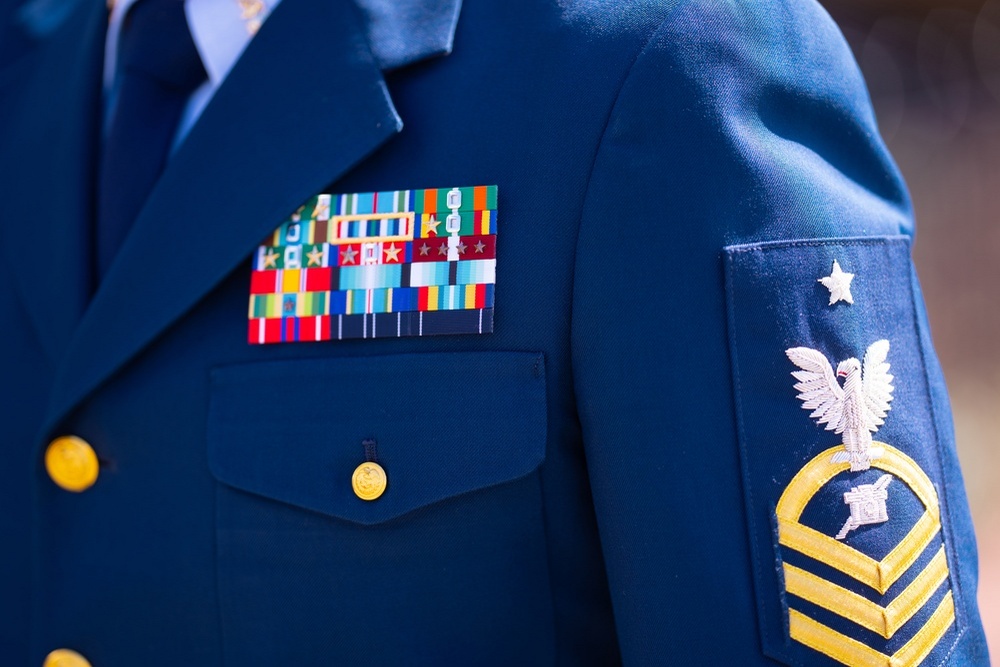
The U.S. Navy is preparing to make several uniform policy changes as part of a broader effort to simplify requirements, improve uniform quality, and reduce the number of items Sailors must maintain in their seabags. Announced through NAVADMIN 270/26 on November 13, 2026, the updates address several familiar uniform components, including the traditional reefer or peacoat, acrylic V-neck sweater, Dinner Dress White Jacket, and Navy Working Uniform Type II. The changes also introduce a new direction for the Navy’s physical training uniform and outline improvements to resources that help Sailors understand uniform requirements. The policy decisions follow a review conducted by the Navy Uniform Board between October 2025 and April 2026. They align with Chief of Naval Operations C-Note 1, which emphasizes improving uniform quality, reducing seabag requirements, and promoting a more consistent appearance throughout the fleet. For Sailors, the announcement means that some currently authorized items will have specific end dates, while other uniform options will become more standardized. The Navy aims to make uniform requirements easier to manage without losing the professional appearance and traditions associated with naval service.
Several Familiar Uniform Items Will Be Phased Out
Among the most recognizable changes is the eventual removal of the Navy’s traditional reefer, commonly known as the peacoat, from authorized uniform wear. Its optional wear will end on October 1, 2027. The acrylic V-neck sweater will also be discontinued on that date, although the wool V-neck sweater will remain authorized for use both aboard ships and at shore installations. The Navy is also eliminating the Dinner Dress White Jacket, which has traditionally provided Sailors with a formal uniform option associated with warmer-weather occasions. Beginning October 1, 2027, the Dinner Dress Blue Jacket will become the standard formal jacket worn year-round. The Dinner Dress Blue Jacket is mandatory for officers in grades O-5 through O-10, while its requirement and wear remain optional for enlisted personnel and officers in grades E-1 through O-4. These changes are intended to reduce overlapping uniform options and make it easier for Sailors to maintain the required clothing for different occasions. Although some of these items have long-standing connections to Navy tradition, the policy reflects the service’s decision to streamline its uniform inventory and focus on components that meet current requirements. Sailors who own the affected items will need to watch the effective dates and updated regulations to ensure they wear authorized components.
Navy Working Uniform Type II Authorization Will End in November
One change taking effect sooner concerns the Navy Working Uniform Type II, the desert digital camouflage uniform associated with specialized assignments and certain operational communities. According to NAVADMIN 270/26, authorized wear of the NWU Type II will terminate on November 30, 2026. This gives affected personnel a much shorter transition period than the other uniform changes announced in the policy update. The Navy’s woodland-pattern Navy Working Uniform Type III will continue to serve as its general-purpose working uniform. The decision is part of the service’s effort to reduce the number of uniform variations Sailors must maintain. Specialized personnel have used the Type II uniform, including members of certain special operations, explosive ordnance disposal, and Seabee communities. Its removal from authorized wear represents a significant adjustment for those accustomed to the desert camouflage pattern. Sailors should consult their commands and the current uniform regulations for guidance on the transition, including any requirements that may apply to their assignments. The Navy’s broader objective is to make uniform policies more consistent across the fleet while reducing unnecessary items and the administrative burden associated with maintaining multiple uniform configurations.
A New Blue Physical Training Uniform Is Planned for 2027
The uniform update also introduces an important change to the Navy’s physical training clothing. Effective October 1, 2027, the current gold-and-blue Physical Training Uniform shirt-and-shorts concept will be replaced by an Improved Physical Training Uniform, or IPTU, with an all-blue color scheme. The updated design will include gender-specific sizing and tailored shirt and short designs. The Navy plans to begin issuing the new uniform at Recruit Training Command Great Lakes on October 1, 2027. Fleet availability through uniform centers is expected approximately 90 to 120 days after the initial introduction at recruit training. The existing gold-and-blue PTU will remain authorized during the transition but will no longer be permitted for wear after September 30, 2028. This phased implementation gives Sailors time to obtain the new components as they become available while allowing the Navy to introduce the design through its established uniform distribution system. The change is also consistent with the broader effort to improve uniform quality and create a more streamlined appearance. For Sailors, the new PTU will eventually provide a single standard option instead of maintaining the current gold-shirt and blue-shorts combination. As with the other changes, personnel should follow official Navy announcements for distribution details and any additional guidance regarding the transition period.
Uniform App Improvements and Extended Gift Card Program
Beyond clothing changes, the Navy is improving the tools and support available to Sailors managing their uniform requirements. Planned enhancements to the Navy Uniform Mobile Application include adding more chapters from the MyNavy HR website to its uniform browser section, introducing a feature that lets users build a uniform with the correct awards and insignia, and adding information download capabilities. These improvements are intended to make uniform guidance easier to access and help personnel check that their clothing and decorations are configured correctly. The Navy also extended its Uniform Electronic-Gift Card program through April 30, 2027. The program assists eligible Sailors who graduated from Recruit Training Command without receiving a complete seabag of required uniform items. It applies to qualifying graduates beginning June 1, 2024, and allows them to obtain missing components through Navy Exchange Uniform Centers or the Navy Exchange website without personal cost. Eligible Sailors who have not received their electronic gift cards are encouraged to contact the designated recruit uniform support address with the required graduation and contact information. The Navy also stated that fiscal year 2027 price increases for items covered by the program will not be passed on to eligible Sailors. Together, these measures show that the uniform update involves more than discontinuing older clothing components. It also includes efforts to improve access to accurate information and help personnel obtain the uniforms they need.
Preparing Sailors for the Next Phase of Uniform Standardization
The Navy’s latest uniform decisions aim to balance tradition, practicality, and the needs of a modern fleet. Some changes will be felt quickly, particularly the November 30, 2026, termination of authorized wear for the NWU Type II. Other adjustments, including removing the peacoat, acrylic V-neck sweater, and Dinner Dress White Jacket, will take effect in October 2027. The introduction of the Improved Physical Training Uniform will also require a coordinated transition through recruit training and fleet uniform distribution. For Sailors, understanding these timelines will be important when planning uniform purchases, organizing existing clothing, and preparing for changes in authorized wear. The Navy Uniform Board is also scheduled to convene again beginning December 4, 2026, with additional discussions expected to address uniform streamlining, fleet insignia proposals, and other potential policy adjustments. This means the current announcement may be part of an ongoing review rather than the final word on future uniform requirements. By reducing unnecessary components and improving the resources available to personnel, the Navy aims to make uniform standards more manageable while maintaining a consistent professional appearance. The transition’s success will depend on clear communication, timely distribution, and Sailors having access to updated guidance as each policy takes effect.
Don’t miss out on any Navy scoop moving forward! For more Navy League news and updates, click here.


BLUE & GOLD NEWSLETTER
The award-winning Blue & Gold is published monthly. It features hot news, highlights event speakers, covers legislation and much more.
JOIN THE COMMUNITY
The Navy League depends on passionate individuals like you to support
those currently serving and advocate for the sea services.