
US Navy Selects Boeing to Build Next-Generation F/A-XX Fighter
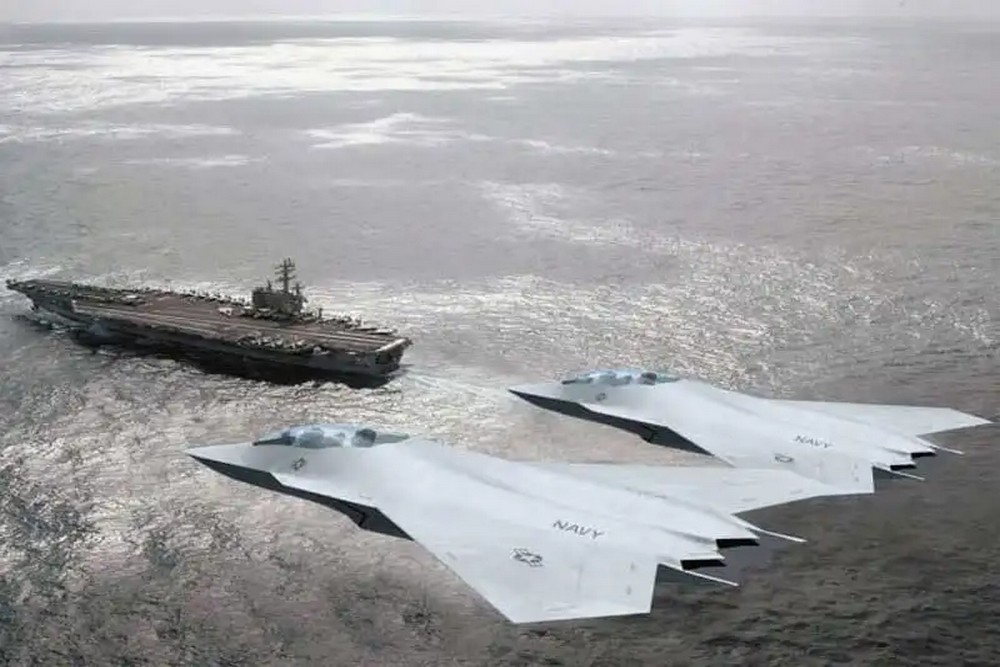
The U.S. Navy has selected Boeing to develop its next-generation carrier-based fighter, marking a major step toward modernizing the service’s future naval aviation capabilities. Announced on September 29, 2026, the decision awards Boeing a contract valued at more than $20 billion for the full-scale development phase of the F/A-XX program. The company was selected over Northrop Grumman, the other remaining competitor in the lengthy aircraft development competition. The contract covers the production of multiple test aircraft that will undergo ground evaluations, airworthiness assessments, systems testing, and weapons integration trials. The F/A-XX is intended to become the Navy’s sixth-generation fighter and serve as a central component of its future carrier air wing. For Boeing, the award marks another major defense aviation achievement after its selection to develop the Air Force’s F-47 next-generation fighter in 2025. For the Navy, it establishes a development partner for an aircraft expected to address future operational requirements that current carrier-based fighters may not be equipped to meet. Although many technical details remain classified, the contract signals continued investment in advanced aviation technologies designed to support naval operations in increasingly complex environments.
F/A-XX Will Help Replace the Navy’s Aging Fighter Fleet
The F/A-XX program is designed to address the Navy’s long-term need to modernize its carrier-based strike fighter inventory. The aircraft is expected to eventually replace the F/A-18E/F Super Hornets and complement the EA-18G Growlers as the service transitions toward a more advanced carrier air wing during the 2030s. The Super Hornet has served as a major part of naval aviation since the 1990s, supporting missions ranging from air defense and strike operations to fleet protection. However, future operating environments are expected to demand greater aircraft range, survivability, sensor capabilities, and the ability to operate in contested airspace. The F/A-XX is intended to help address these requirements while working alongside the Navy’s existing F-35C Lightning II aircraft. Rather than immediately replacing every current platform, the new fighter is expected to gradually become part of a broader aviation structure that combines different aircraft and mission capabilities. This transition will be important as the Navy prepares for future carrier operations involving longer distances, more advanced threats, and increasingly connected combat systems. The program’s eventual success will depend on developing an aircraft that can meet these requirements while remaining compatible with the operational demands and physical limitations of aircraft carriers.
Advanced Capabilities Will Support Future Carrier Operations
Although the Navy and Boeing have not released the F/A-XX’s complete technical specifications, available program information points to several key areas of development. Advanced stealth, improved operational range, greater endurance, and sophisticated mission systems are expected to distinguish the aircraft from current naval fighters. These capabilities are especially important for carrier strike groups that may need to operate farther from their targets while facing increasingly capable air defense systems. Greater range could help carrier aircraft reach operational areas without relying as heavily on nearby refueling support, while improved survivability could help pilots operate in environments with higher detection and engagement risks. The aircraft is also expected to feature advanced networking capabilities that allow it to exchange information with other platforms and support coordinated missions. Boeing has highlighted open mission systems architecture and advanced mission technologies as important elements of its development approach, although the specific configuration remains classified. The Navy’s selection also reflects its interest in creating an aircraft that can adapt to future mission requirements rather than simply replicating existing fighters’ capabilities. As testing progresses, the program will need to demonstrate that its design can meet the Navy’s performance expectations while supporting the demands of shipboard operations, maintenance, and deployment.
Uncrewed Aircraft Will Become Part of the Future Naval Air Wing
One of the most significant aspects of the F/A-XX program is its anticipated ability to operate alongside uncrewed aircraft. The Navy is developing Collaborative Combat Aircraft (CCA) as part of its broader effort to create a more integrated and adaptable carrier air wing. These uncrewed platforms are expected to work with crewed aircraft, supporting missions that may include surveillance, electronic warfare, additional sensing, and other operational tasks. The F/A-XX is expected to help coordinate these aircraft, allowing human pilots to manage and collaborate with autonomous or semi-autonomous systems during complex missions. This approach could give carrier air wings additional flexibility by distributing certain tasks across multiple platforms instead of relying exclusively on crewed fighters. It also reflects a broader shift in military aviation toward combining human decision-making with increasingly sophisticated automated systems. The Navy’s future aviation structure is expected to include the F/A-XX, F-35C, and uncrewed aircraft, with each contributing different capabilities to coordinated operations. However, integrating these systems will require extensive development and testing, particularly in areas involving communications, command and control, and the safe coordination of crewed and uncrewed aircraft. The F/A-XX selection therefore represents more than developing another fighter. It is part of a larger effort to establish how future naval aviation forces will operate together.
Development Challenges and Production Investments Shape the Program’s Future
The F/A-XX program has faced years of funding discussions, schedule uncertainty, and concerns about the defense industry’s ability to develop multiple advanced aircraft simultaneously. Earlier proposals to delay the program raised questions about engineering resources, supplier capacity, and the demands of producing the Navy’s fighter alongside the Air Force’s F-47. Congressional funding support helped keep the Navy’s effort moving forward, allowing the competition to proceed toward its eventual selection. Boeing’s experience developing carrier-based aircraft and its investments in advanced manufacturing facilities were key to the company’s position as it pursued the contract. Its St. Louis operations are expected to play a significant role in supporting future fighter development, although producing two major next-generation aircraft programs will require substantial coordination, skilled personnel, and a reliable supply chain. The Navy has not announced a first-flight date or released a complete development schedule for the F/A-XX, and its technical details remain classified. The aircraft is expected to enter the fleet during the 2030s, making the coming years important for design refinement, prototype construction, and testing. As the program advances, the Navy will need to ensure that the aircraft meets its operational requirements while maintaining a realistic path toward production. Boeing’s selection establishes the next phase of this effort and brings the Navy closer to developing a future carrier air wing built around advanced crewed and uncrewed capabilities.
Don’t miss out on any Navy scoop moving forward! For more Navy League news and updates, click here.

BLUE & GOLD NEWSLETTER
The award-winning Blue & Gold is published monthly. It features hot news, highlights event speakers, covers legislation and much more.
JOIN THE COMMUNITY
The Navy League depends on passionate individuals like you to support
those currently serving and advocate for the sea services.