
USS John F. Kennedy Reaches 99 Percent Completion as Carrier Enters New Testing Phase
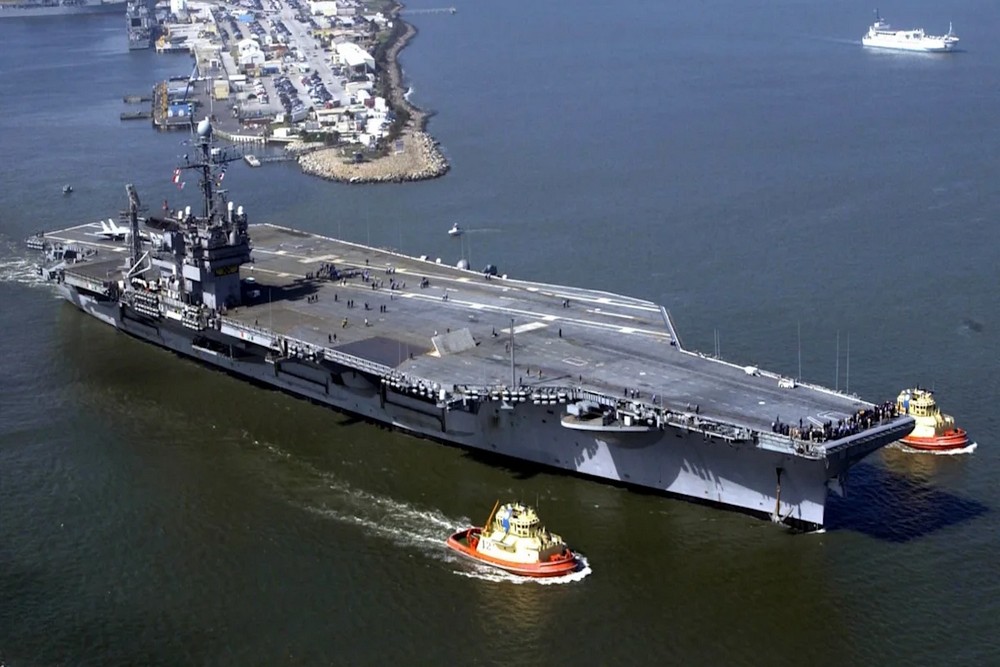
The U.S. Navy’s future USS John F. Kennedy (CVN 79) has reached another major milestone on its path toward joining the fleet, with the Gerald R. Ford-class aircraft carrier now approximately 99 percent complete and moving into a new phase of at-sea testing and crew training. The Navy took preliminary acceptance of the carrier from Newport News Shipbuilding, a division of HII, on September 29, following the ship’s successful completion of Acceptance Trials in August. Preliminary acceptance allows the carrier and its crew to spend additional time underway testing systems and developing operational proficiency while the shipbuilder completes remaining work. Although the carrier is nearing completion, several activities remain before it can be formally delivered to the Navy. The shipbuilder is continuing final systems testing, including work associated with four Advanced Weapons Elevators. Formal delivery is currently planned for spring 2027. The latest milestone represents a significant transition for CVN 79 because the ship and its crew can now spend more time operating at sea while construction and testing continue in parallel. This approach allows the Navy to build familiarity with the ship’s systems and operating environment before final delivery, helping move the carrier toward eventual combat readiness.
A Second Ford-Class Carrier Takes Shape
John F. Kennedy is the second aircraft carrier in the Navy’s Gerald R. Ford class, a program designed to introduce new technologies intended to improve carrier operations, survivability, lethality, and long-term ownership costs. The carrier is being constructed at Newport News Shipbuilding in Virginia, the nation’s sole designer and builder of nuclear-powered aircraft carriers. The ship’s development represents years of work involving Navy personnel, shipbuilders, engineers, suppliers, and other members of the U.S. maritime industrial base. Earlier in 2026, the future Kennedy completed Builder’s Sea Trials, giving Navy and shipyard teams their first major opportunity to evaluate the ship while underway. During those trials, Sailors and shipbuilders worked together to test key systems and technologies and identify issues that needed attention before the carrier advanced to the next stage. Acceptance Trials followed in August and involved additional testing intended to demonstrate that the ship met contractual requirements and that its crew was prepared to operate it at sea. Completing those trials allowed the Navy to move toward preliminary acceptance, marking another step in the lengthy process required to bring a new nuclear-powered aircraft carrier into service.
Testing Continues While Construction Nears Completion
Reaching 99 percent completion does not mean that every part of the carrier has finished testing or that all remaining construction activity has ended. The Navy states that all major systems are complete, while Newport News Shipbuilding continues final ship systems testing. Among the remaining work are the ship’s four Advanced Weapons Elevators, which are an important component of the Ford-class design. These elevators are intended to move weapons between the carrier’s magazines and the flight deck and are part of the technologies that distinguish the new class of carriers from earlier designs. Testing and completing complex systems is a critical part of preparing a carrier for long-term operations because the ship must demonstrate that its equipment can function together as an integrated system. The Navy’s decision to grant preliminary acceptance allows some of this work to continue while the ship and crew gain additional experience underway. Rather than waiting for every remaining construction activity to conclude before putting the carrier back to sea, the current approach allows testing, training, and completion work to progress together. This provides the crew with additional opportunities to operate the ship and become familiar with its systems before the carrier is formally delivered and begins the next stages of preparation for fleet service.
Building Crew Proficiency at Sea
The move into additional at-sea testing is also important for the Sailors assigned to the future John F. Kennedy. Operating a new aircraft carrier requires more than completing construction; the crew must develop the knowledge, coordination, and experience needed to operate a highly complex nuclear-powered warship. Preliminary acceptance gives the crew an opportunity to build underway proficiency while the ship continues through its final testing activities. The carrier’s earlier Builder’s Trials provided an initial opportunity for Navy personnel, shipbuilders, and other technical teams to work together at sea. During those trials, the crew and industry personnel tested numerous systems and technologies while evaluating how the ship performed underway. Acceptance Trials represented another stage in that process, with the crew demonstrating its ability to operate the ship while the Navy assessed whether the carrier met established requirements. With preliminary acceptance now complete, the Navy can continue expanding the amount of time the crew spends operating the ship. That experience can be particularly valuable aboard a new class of carrier incorporating different technologies and systems from previous generations. As Sailors become more familiar with the ship, they can develop operational routines and identify areas requiring additional attention before the carrier ultimately enters full fleet service.
Advancing the Ford-Class Aircraft Carrier Program
The progress of CVN 79 is also part of the Navy’s larger effort to establish the Gerald R. Ford class as the next generation of nuclear-powered aircraft carriers. The class incorporates changes intended to support flight operations while improving the ship’s overall efficiency and capabilities during its planned service life. Ford-class carriers are designed for an expected 50-year lifespan, making the successful completion of construction and testing important well beyond the immediate delivery of an individual ship. John F. Kennedy follows the lead ship of the class, USS Gerald R. Ford (CVN 78), and its progress provides the Navy and shipbuilding industry with additional experience in constructing and preparing subsequent carriers. Lessons learned during construction, testing, and integration can inform work on later ships in the class. For the maritime industrial base, the program also represents a sustained demand for highly specialized shipbuilding skills and components. Thousands of workers and suppliers contribute to the construction of a carrier of this scale, making each major milestone significant for both the Navy and the broader network supporting American naval shipbuilding. As CVN 79 moves closer to delivery, the experience gained from its construction and testing will continue contributing to the Navy’s effort to develop and maintain a modern carrier force.
Preparing John F. Kennedy for Fleet Service
The future USS John F. Kennedy still has work ahead before it becomes an operational Navy aircraft carrier, but reaching approximately 99 percent completion and receiving preliminary acceptance marks a significant transition in the ship’s development. The remaining construction and testing activities will continue while the carrier and its crew spend additional time underway building proficiency and evaluating systems. Formal delivery is expected in spring 2027, after which the Navy will continue preparing the carrier for eventual combat operations. The path from construction to fleet readiness involves multiple stages, including testing, crew training, system certification, and additional operational preparation. Each stage is intended to ensure that the carrier can perform as required once it becomes part of the fleet. For the Navy, the progress of John F. Kennedy represents the continued expansion of the Ford-class carrier force and the gradual transition from construction to operational capability. For the Sailors assigned to the ship, the latest milestone means more opportunities to bring the carrier to life at sea and develop the experience needed to operate it. As Newport News Shipbuilding completes the remaining systems work and the Navy continues testing and training, CVN 79 is moving steadily closer to its eventual role as a deployed aircraft carrier supporting U.S. naval operations around the world.
Don’t miss out on any Navy scoop moving forward! For more Navy League news and updates, click here.

BLUE & GOLD NEWSLETTER
The award-winning Blue & Gold is published monthly. It features hot news, highlights event speakers, covers legislation and much more.
JOIN THE COMMUNITY
The Navy League depends on passionate individuals like you to support
those currently serving and advocate for the sea services.