
Raytheon Expands International Reach of AN/SPY-6 Radar
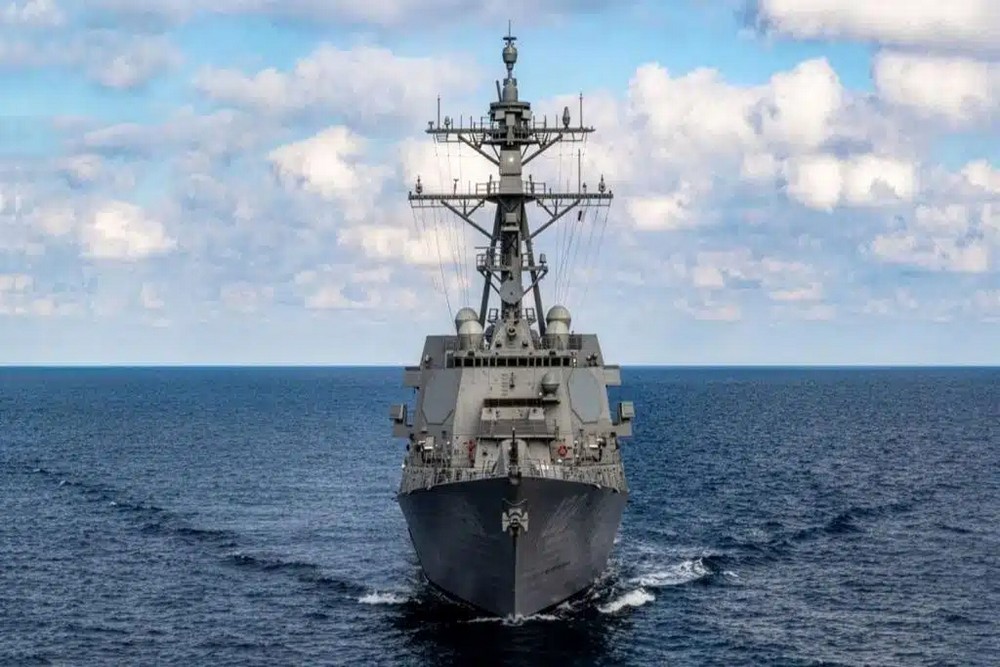
Raytheon is increasing its international focus on the AN/SPY-6 radar family as allied and partner navies consider advanced sensor systems for current and future surface combatants. The company is pursuing opportunities in Germany, Japan, and Denmark as those countries evaluate or move forward with naval programs that could incorporate different radar configurations. The growing interest comes as the U.S. Navy continues to introduce SPY-6 across its fleet and Raytheon works to increase manufacturing capacity to meet domestic requirements while supporting potential international customers. Germany has selected SPY-6 for its planned F127 air-defense frigates, while Japan is considering the technology for more than one naval modernization effort and Denmark is examining options for future surface combatants. The international push reflects the broader importance of advanced shipboard radar as navies seek improved capabilities against aircraft, cruise missiles, ballistic missiles, drones, and other airborne threats. For Raytheon, expanding the radar beyond the U.S. fleet could also create a larger community of allied users that share related technology and potentially benefit from common training, sustainment, and operational experience. The AN/SPY-6 family is built around a scalable architecture that allows radar configurations to be adapted to different ship sizes and mission requirements. That flexibility matters for countries developing their own naval platforms because it lets them explore advanced radar capabilities without necessarily adopting an identical ship design or equipment arrangement. As international interest grows, Raytheon is positioning SPY-6 as both a U.S. naval capability and a potential component of allied maritime air and missile defense networks.
A Scalable Architecture for Different Warships
One defining characteristic of the AN/SPY-6 family is its modular design. The radar uses Radar Modular Assemblies, or RMAs, which can be combined in different quantities and configurations to create arrays suited to specific platforms. Instead of developing one fixed radar arrangement for every ship, the modular concept provides an architecture that can be adjusted according to a vessel’s size, available space, power requirements, and operational mission. The U.S. Navy’s AN/SPY-6(V)1, for example, uses four fixed arrays with 37 RMAs in each array and is being deployed aboard Flight III Arleigh Burke-class destroyers as part of their integrated air and missile defense capabilities. Other variants use different configurations for other missions and platforms. AN/SPY-6(V)4 is intended to modernize earlier Arleigh Burke-class destroyers, while other members of the family provide air surveillance capabilities using smaller arrays. This ability to scale the system can be valuable for international customers because naval fleets are rarely built around a single ship design. A country operating large air-defense destroyers may have different requirements from one developing smaller frigates or multi-mission surface combatants. A common radar family with adaptable configurations can potentially provide a degree of technological continuity across those platforms. It also gives the manufacturer an opportunity to build a broader support and production ecosystem around the same underlying technology. For allied navies, using related radar systems could create additional opportunities to exchange technical knowledge and operational experience while supporting interoperability with U.S. forces and other countries that employ the same radar family.
Raytheon Expands Production Capacity
The international campaign is developing alongside increased U.S. production of SPY-6. Raytheon has moved the radar family into full-rate production, with systems being installed on U.S. Navy ships and additional radars moving through testing and production. The company has also received a $1.8 billion extension to its production contract with the U.S. Navy, reinforcing the importance of SPY-6 within the service’s long-term radar plans. Raytheon is investing further in its manufacturing infrastructure as it prepares for additional demand. The company has committed nearly $25 million in new capital to its Radar Development Facility in Andover, Massachusetts, aiming to more than double SPY-6 production output by 2028. That investment follows earlier spending on automation, manufacturing equipment, and production expansion. Increasing capacity is important not only for the U.S. Navy but also for international opportunities. If Germany, Japan, Denmark, or other allied nations move ahead with SPY-6 purchases, their requirements will have to be balanced with the radar systems already being produced for U.S. ships. A larger production base could make it easier for Raytheon to support multiple customers while maintaining schedules for the U.S. fleet. The manufacturing expansion also illustrates how the international defense market can influence the long-term development of a military technology. As more countries consider SPY-6, production scale, supply-chain reliability, sustainment, and access to replacement components will become increasingly important considerations alongside radar performance itself.
Germany Moves Forward With the F127 Program
Germany is currently one of the most important international opportunities for SPY-6. The German Navy has selected the radar for its planned F127 air-defense frigates, a program expected to include eight ships. Raytheon is involved in engineering and integration work for the planned German application, although the final configuration remains subject to the ships’ ongoing development. The F127 program is intended to provide Germany with advanced air-defense capabilities, making its radar selection particularly significant. As the ship design continues to develop, changes to the overall configuration could influence how the radar is integrated into the vessels. Raytheon is therefore working with the relevant organizations as requirements are refined. Germany’s decision also represents an important step in establishing SPY-6 as an international radar option. Integrating the system into a German naval platform creates an opportunity to demonstrate how the technology can be adapted outside the U.S. fleet while supporting the broader goal of allied interoperability. For Germany, access to a radar already being developed and produced for the U.S. Navy could offer advantages in maturity and shared technological experience. The F127 program also demonstrates the importance of advanced sensors to modern naval forces. As ships take on greater responsibility for air and missile defense, radar systems must detect and track increasingly diverse threats while working alongside other sensors and weapons. Germany’s selection of SPY-6 places the radar at the center of that future capability for its planned air-defense frigates.
Japan and Denmark Evaluate Their Options
Japan represents another major opportunity, with Raytheon pursuing SPY-6 for two separate Japanese naval programs. One involves replacing the Japan Maritime Self-Defense Force’s Kongō-class guided-missile destroyers, while another focuses on modernizing the Maya-class destroyers. Japan is considering advanced radar technologies as it continues developing its maritime air and missile defense capabilities. Raytheon faces competition from Lockheed Martin, which is offering its AN/SPY-7 radar for the Japanese requirements. Raytheon also has established relationships with Japanese industry, including Mitsubishi Electric and Sampa Kogyo, which are involved with SPY-6-related components. These relationships could support a broader industrial network if Japan ultimately selects the system. Denmark is also becoming part of Raytheon’s international strategy as the Royal Danish Navy considers options for future surface combatants. Raytheon has held discussions with Danish officials and hosted representatives at its Andover facility as the country develops its requirements. Denmark’s future naval program could involve several shipbuilding and combat-system partners, giving Raytheon an opportunity to explore different integration arrangements. The company is emphasizing interoperability with U.S. naval forces as one potential advantage for allied customers. If Japan or Denmark eventually adopts SPY-6, each decision could further expand the number of allied platforms using related radar technology. That could contribute to a broader network of shared capabilities and operational experience among maritime partners. For Raytheon, success in these markets would represent more than individual radar sales. It would help establish SPY-6 as an international naval sensor family with applications across multiple ship types and allied fleets.
Don’t miss out on any Navy scoop moving forward! For more Navy League news and updates, click here.

BLUE & GOLD NEWSLETTER
The award-winning Blue & Gold is published monthly. It features hot news, highlights event speakers, covers legislation and much more.
JOIN THE COMMUNITY
The Navy League depends on passionate individuals like you to support
those currently serving and advocate for the sea services.