
Navy EOD Celebrates 85 Years of Excellence
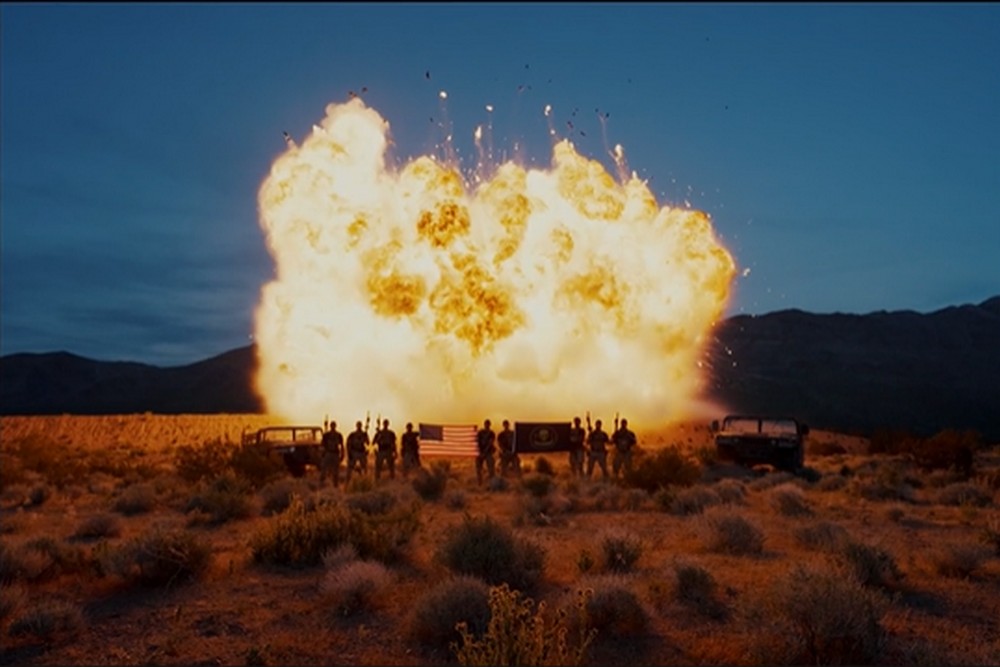
The U.S. Navy’s Explosive Ordnance Disposal community is marking 85 years of service, recognizing a history built around technical expertise, courage, precision, and an unwavering commitment to protecting people and military forces. Since its origins during World War II, Navy EOD has developed into a specialized force capable of confronting some of the most dangerous explosive hazards encountered on land and underwater. The anniversary provides an opportunity to reflect on how the community has evolved while recognizing the Sailors who continue to perform demanding missions in environments where a single mistake can have serious consequences. Navy EOD personnel support a broad range of operations, from identifying and disposing of unexploded ordnance to responding to explosive threats and supporting maritime security missions. Their responsibilities require extensive technical training, physical readiness, careful decision-making, and the ability to work effectively as part of larger military teams. Over eight and a half decades, the community has adapted to changes in warfare, technology, and mission requirements while maintaining the fundamental purpose of protecting lives and preserving operational freedom. The 85-year milestone therefore represents more than longevity. It reflects generations of EOD technicians who have accepted difficult assignments, developed new techniques, and carried forward a professional standard centered on responsibility and service.
Training for Missions Where Precision Matters
Becoming a Navy EOD technician requires an exceptionally demanding training process because technicians must be prepared to make critical decisions under pressure. Their work can involve explosives that are damaged, unstable, unfamiliar, or deliberately designed to prevent safe handling. Training therefore focuses on developing technical knowledge alongside physical and mental discipline. EOD personnel must understand explosive behavior, ordnance construction, disposal procedures, diving operations, specialized equipment, and mission planning. They also need the judgment to determine the safest course of action when conditions are uncertain. The demanding nature of the profession means training does not end when a technician earns the required qualifications. Continuing education and practical experience remain important as explosive threats and technologies evolve. EOD teams must stay familiar with new types of ordnance and emerging hazards while maintaining proficiency in established procedures. Their preparation also enables them to work with other military units and government organizations during complex operations. The combination of specialized technical knowledge and operational readiness allows Navy EOD personnel to respond in situations where ordinary approaches may not be sufficient. Their training ultimately supports one of the community’s most important responsibilities: making careful, informed decisions when the consequences of failure can be immediate and severe.
A Mission That Extends Beyond Explosive Disposal
Although explosive ordnance disposal is at the heart of the community’s mission, Navy EOD personnel contribute to a much broader range of military operations. Their expertise can support maritime security, special operations, expeditionary missions, underwater searches, mine countermeasures, and other activities where explosive hazards may affect personnel or freedom of movement. The ability to operate underwater is especially important to the Navy because mines and other explosive devices can threaten ships, ports, coastal areas, and underwater infrastructure. EOD technicians may also work alongside divers, special operations forces, surface ships, aircraft, and other military units depending on the requirements of an operation. This versatility allows the community to contribute to missions far beyond a traditional bomb-disposal role. Navy EOD personnel must be prepared to operate in environments ranging from shore facilities to open water and from routine training areas to demanding operational locations. Their work can involve extensive preparation before they ever approach a suspected device. Teams may gather information, assess hazards, establish safety procedures, coordinate with other units, and determine the appropriate method for dealing with the threat. That methodical approach is essential because EOD operations require more than physical courage. They demand patience, communication, technical accuracy, and the ability to remain focused when circumstances are unpredictable.
Adapting to an Evolving Threat Environment
The 85-year history of Navy EOD also reflects the constant evolution of explosive threats. Technology has changed the design, deployment, and use of ordnance, while modern conflicts have introduced new challenges involving improvised devices and unconventional explosive hazards. Navy EOD has responded by incorporating new tools, equipment, training methods, and procedures into its operations. Technological developments can help technicians gather information from a safer distance, examine suspicious objects, communicate with other personnel, and perform specialized tasks in difficult environments. At the same time, technology does not eliminate the need for human expertise. EOD technicians must understand what their equipment can and cannot do and be able to make sound decisions when conditions change. Adaptability remains one of the community’s defining characteristics. The ability to learn from previous operations and apply that knowledge to new situations has helped Navy EOD remain relevant through generations of military change. The community’s future will likely bring additional challenges as new weapons, autonomous systems, underwater technologies, and other capabilities continue to influence the maritime environment. Maintaining a highly trained EOD force will remain important as the Navy prepares for those possibilities.
Honoring 85 Years While Preparing for the Future
Celebrating 85 years of Navy EOD is ultimately a recognition of the people behind the mission. Generations of technicians have accepted a profession that requires extraordinary preparation and places a premium on responsibility, teamwork, and precision. Their collective service has helped protect fellow Sailors, Marines, military personnel, civilians, ships, facilities, and critical areas from explosive hazards. The anniversary also recognizes the instructors, support personnel, commanders, families, and other members of the Navy community who contribute to EOD readiness. As Navy EOD looks toward its next chapter, the lessons of its history remain valuable. The community has repeatedly demonstrated that successful EOD operations depend on preparation, adaptability, technical competence, and trust among team members. Those qualities will continue to matter as the Navy confronts new operational environments and emerging threats. The 85th anniversary is therefore both a milestone and a reminder of the mission’s enduring importance. From its World War II origins to its modern role supporting maritime and expeditionary operations, Navy EOD has built a legacy defined by service in situations where precision matters most. The community now carries that legacy forward, preparing the next generation of EOD technicians to meet hazards that may look very different from those encountered by their predecessors while maintaining the same commitment to protecting others and supporting the Navy’s mission.
Don’t miss out on any Navy scoop moving forward! For more Navy League news and updates, click here.

BLUE & GOLD NEWSLETTER
The award-winning Blue & Gold is published monthly. It features hot news, highlights event speakers, covers legislation and much more.
JOIN THE COMMUNITY
The Navy League depends on passionate individuals like you to support
those currently serving and advocate for the sea services.