
Navy Advances MH-60 Modernization With New Prototype Effort
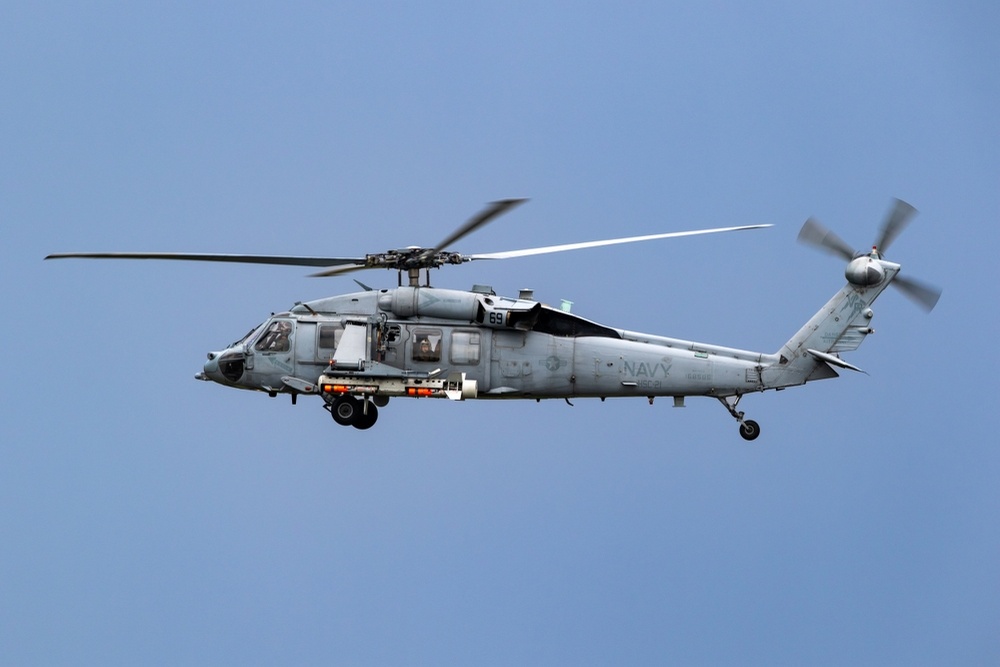
The U.S. Navy is moving ahead with a new effort to modernize its MH-60 helicopter fleet, taking steps intended to keep the aircraft effective as mission requirements, technology, and operational challenges continue to change. The service recently identified industry participants for the first phase of the MH-60 Tailorable Architecture Leveraging Open-systems (TALON) prototype project, an initiative led by the Navy’s H-60 Multi-Mission Helicopter program office, PMA-299. The project is being conducted with participation from the Royal Australian Navy and is designed around modern digital engineering practices and a Modular Open Systems Approach, commonly known as MOSA. Rather than fully replacing the established MH-60 platform, the Navy is seeking to create a more adaptable foundation for future upgrades. The long-term objective is to support the continued operation and modernization of the MH-60 fleet through approximately 2050. The initiative comes as military aviation faces a familiar challenge: proven aircraft can remain valuable for decades, but the electronic systems and technologies they depend upon can become outdated much sooner. By establishing an architecture that can accept new technologies more efficiently, the Navy hopes to extend the MH-60’s useful life while reducing the difficulties associated with aging avionics, obsolete components, and increasingly complex system integration.
Modernizing Two Important MH-60 Variants
The TALON effort is particularly significant because the MH-60 family performs a wide range of missions across naval operations. The MH-60R, commonly referred to as the Romeo, is designed to conduct anti-submarine warfare, surface warfare, electronic warfare, and command-and-control missions. The MH-60S, known as the Sierra, supports missions that include anti-surface warfare, combat search and rescue, special warfare support, and airborne mine countermeasures. Although the two variants have different mission responsibilities, both depend on sophisticated avionics, sensors, communications, software, and other electronic systems to accomplish their assigned tasks. As those technologies advance, maintaining the aircraft becomes more than replacing individual components. New systems must work with existing equipment while fitting within the aircraft’s physical, electrical, software, and mission-system architecture. TALON is intended to address that challenge by creating a more flexible foundation for future modernization. A modular approach can allow new capabilities to be introduced as requirements develop rather than forcing the Navy to undertake a completely new system design each time a major technology becomes available. This could be particularly valuable for a fleet expected to remain active for many more years. Instead of treating modernization as a series of isolated upgrades, the program seeks to establish an architecture that can continue evolving throughout the aircraft’s remaining service life.
Industry Teams Prepare for the Prototype Phase
Several companies have been identified to support different elements of the initial TALON effort. Sierra Nevada Corporation has been selected as the Lead Aircraft Integrator for the MH-60S, while Lockheed Martin Rotary and Mission Systems has been identified for physical and structural integration work associated with the MH-60R. The program also calls for specialized work involving the flight-critical avionics segment and the aircraft’s digital backbone. Rockwell Collins Inc. and Lockheed Martin Rotary and Mission Systems have been identified as segment lead integrators for this portion of the effort, with responsibilities covering hardware and software architecture, interface management, and system-level software integration. Technology Security Associates Inc. will support government evaluation of the open-system implementation, including assessments of how the participating integrators apply the Modular Open Systems Approach to the flight-critical avionics segment and digital backbone. These companies bring different areas of expertise to a program that requires both aircraft-level integration and sophisticated digital-system development. The Navy has also made clear that the industry selections represent performers identified to move forward with the prototype effort and are not, by themselves, finalized contract awards. Negotiations and completion of the Phase 1 statements of work must occur before the formal agreements are completed. This distinction matters as the project moves from planning and selection to prototype development.
A Phased Approach to Aircraft Modernization
The TALON program is structured to progress through separate stages, beginning with the design and engineering work needed to establish the prototype’s foundation. During Phase 1, the Navy and its industry partners will focus on the preliminary design of the flight-critical avionics segment and digital backbone. The effort also includes establishing a collaborative digital engineering environment and defining the aircraft baseline that will support modernization activities. Physical integration work, structural modifications, fabrication of installation components, and preparations for aircraft-level testing are also expected in the initial phase. This process gives engineers an opportunity to examine how the proposed systems will interact with the existing aircraft before the program moves further into prototype development. Digital engineering can help teams evaluate system relationships and identify potential integration issues earlier in the process, while physical work provides an opportunity to determine how new equipment and modifications will function within the actual aircraft. Phase 2 is planned to move the program toward prototype development and verification. By dividing the effort into stages, the Navy can evaluate the proposed architecture, make adjustments based on testing and engineering results, and build knowledge before considering wider implementation. The approach also gives participating organizations an opportunity to demonstrate that the open architecture can work at the aircraft level, not only within individual laboratory or digital environments.
Creating a Foundation for Future Naval Aviation
The Navy’s interest in TALON extends beyond the immediate modernization needs of the MH-60 fleet. One of the program’s broader objectives is to use modern digital acquisition practices and MOSA standards to establish an open architecture that could contribute to future aviation development. The Navy has specifically indicated that TALON could help streamline Future Vertical Lift (Maritime Strike) development by providing a portable core architecture. That possibility gives the project significance beyond the two existing MH-60 variants. Experience gained through modernizing an established helicopter can help demonstrate how open systems, digital engineering, and modular design can support future military aircraft. The Royal Australian Navy’s involvement also gives the program an important allied dimension. Australia operates the MH-60R, making cooperation between the two naval forces relevant to the aircraft’s future development and support. Greater alignment in technology and architecture could contribute to interoperability while giving participating forces opportunities to share experience in operations, maintenance, upgrades, and future requirements. Ultimately, the TALON project represents an effort to keep the MH-60 relevant without discarding a platform that already provides established capabilities across naval aviation. By focusing on an architecture that can accommodate future technology, the Navy is seeking to reduce the limitations created by aging systems and make subsequent upgrades more manageable. If the prototype effort progresses successfully, the resulting architecture could give the MH-60R and MH-60S a more adaptable technological foundation for years to come, while also offering lessons that may influence future naval aviation programs.
Don’t miss out on any Navy scoop moving forward! For more Navy League news and updates, click here.

BLUE & GOLD NEWSLETTER
The award-winning Blue & Gold is published monthly. It features hot news, highlights event speakers, covers legislation and much more.
JOIN THE COMMUNITY
The Navy League depends on passionate individuals like you to support
those currently serving and advocate for the sea services.